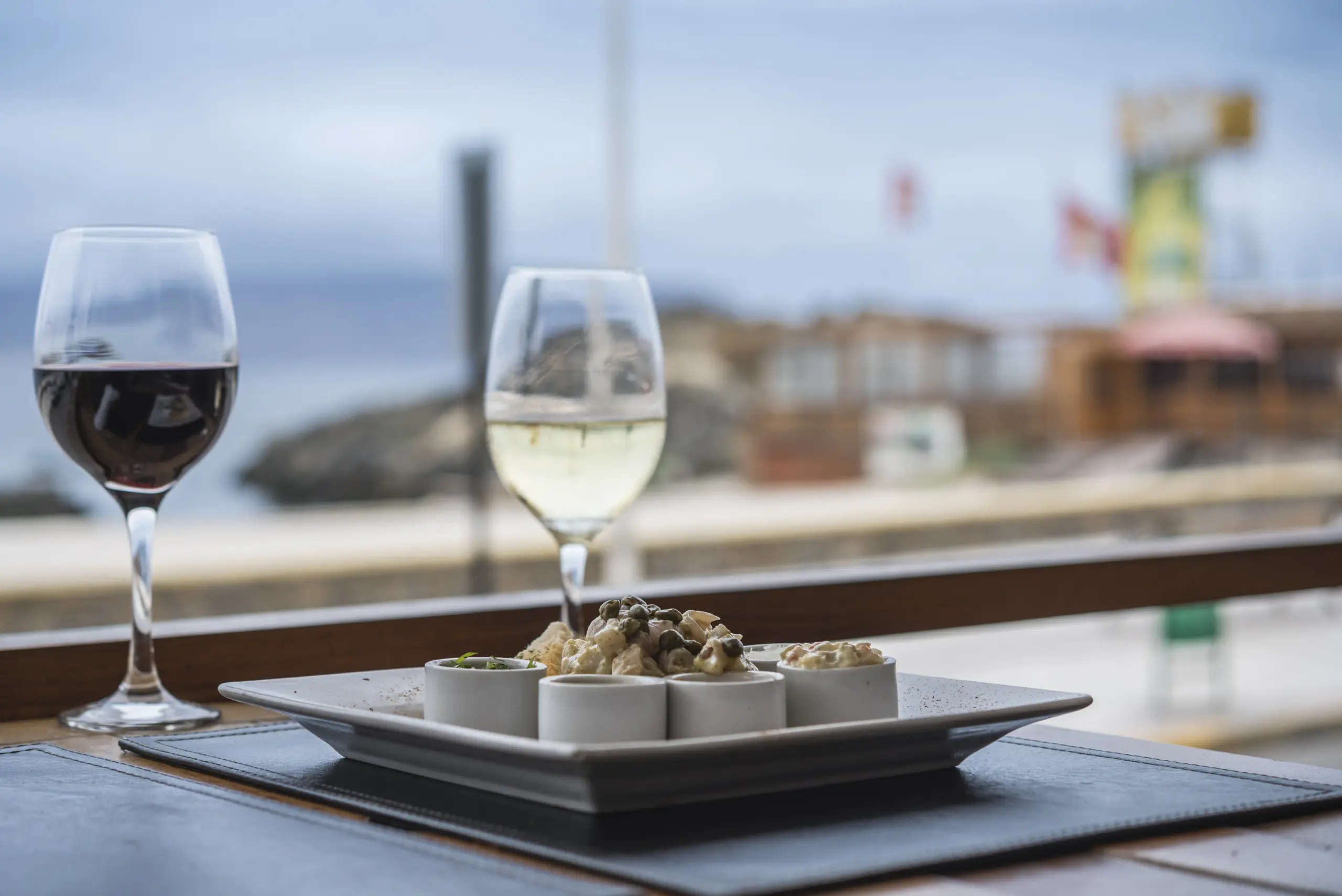


Next, take a tour of the authentic flavors that our land and sea offer us, linking each star product to its place of origin.
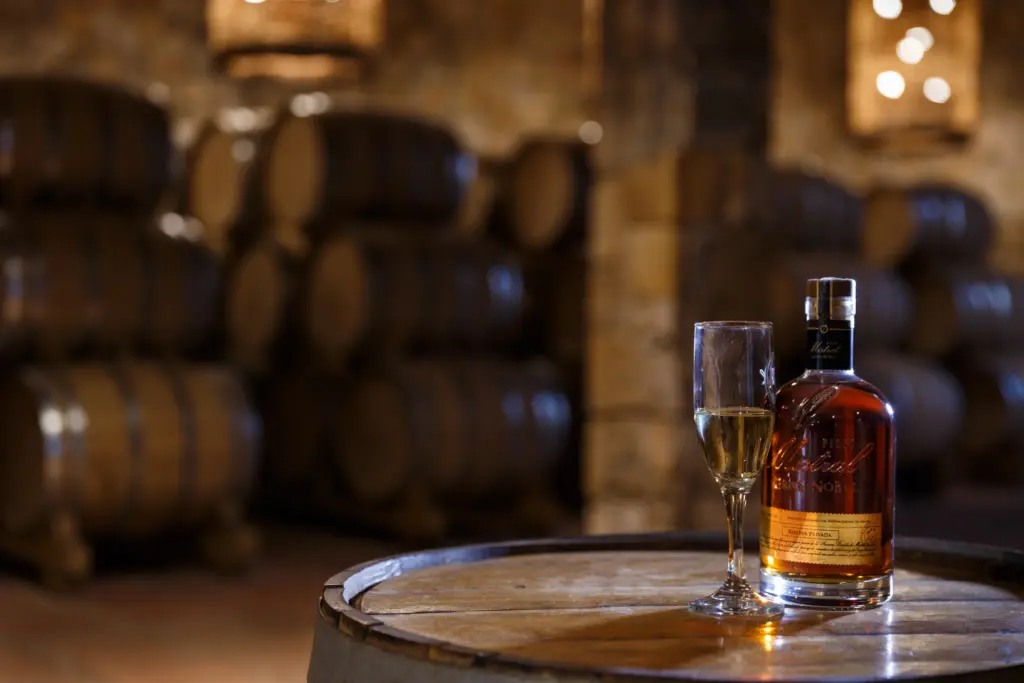
Pisco and the Elqui Valley
The Elqui Valley, with its arid climate, clear nights, and wide temperature ranges, produces grapes whose aromatic characteristics translate into piscos of great purity and fruit expression. The documented origin of pisco in the area dates back to the 18th century, and since 1931, the valley has been among the areas with a recognized designation of origin for this drink in Chile. In addition, its dry and stable atmosphere has made it a privileged territory for distillation and the development of a local wine-making tradition.
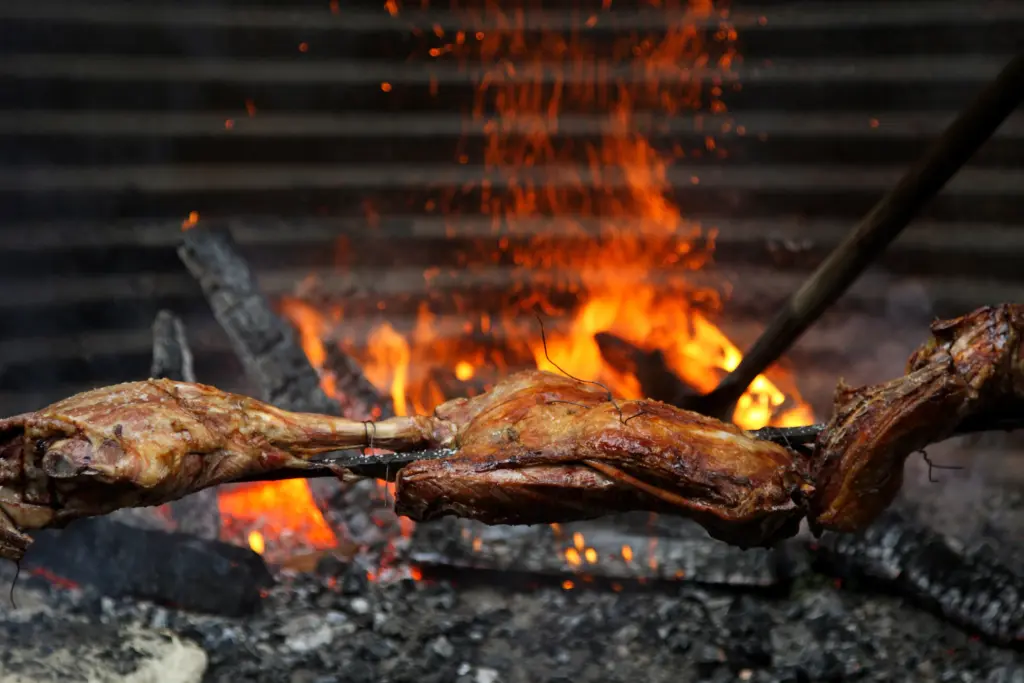
The Lamb and the Pampas of Magallanes
The Patagonian pampas of Magallanes offer natural pastures and extensive management that give the lamb a distinctive flavor and texture, valued both in local cuisine and international markets. Sheep production in the region is based on these natural pastures, and nationally, the southern wool and meat industry has played a historic role: much of Chile's lamb meat is exported, positioning Magallanes as one of the main contributors of this product.
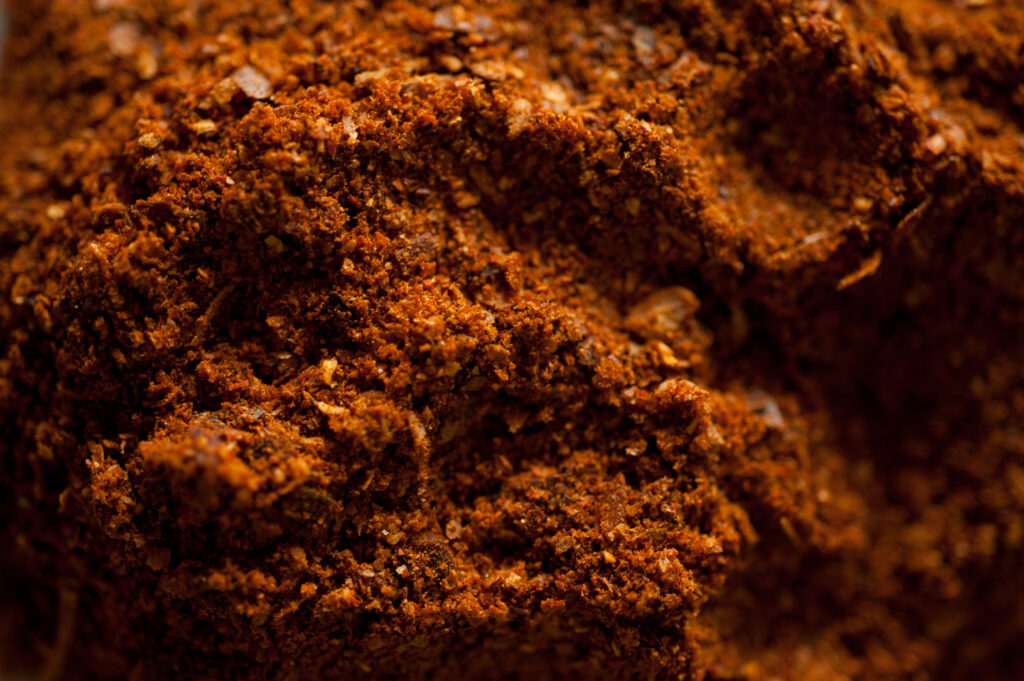
Merkén and La Araucanía
Merkén, an ancestral Mapuche condiment made mainly from dried and smoked cacho de cabra chili peppers, combines tradition and technique: its smoky, spicy, and earthy flavor has transcended local cuisines to become part of contemporary gastronomy. Historically produced in Araucanía (a region of forests and volcanic soils), merkén is not only a culinary ingredient; it is a living heritage that connects agricultural practices, indigenous knowledge, and the recovery of native ingredients in cultural dishes.
Carménère Wine and the Central Valley
The Central Valley, with its Mediterranean climate and varied soils, is the cradle of much of Chilean viticulture and where Carménère found ideal conditions to establish itself as the country's flagship varietal. Today, Chile is home to most of the world's Carménère vineyards (a variety that almost disappeared in Europe after the phylloxera epidemic), and the Central Valley produces wines with fruity and spicy notes and a smooth texture that make them distinctive in the international market.

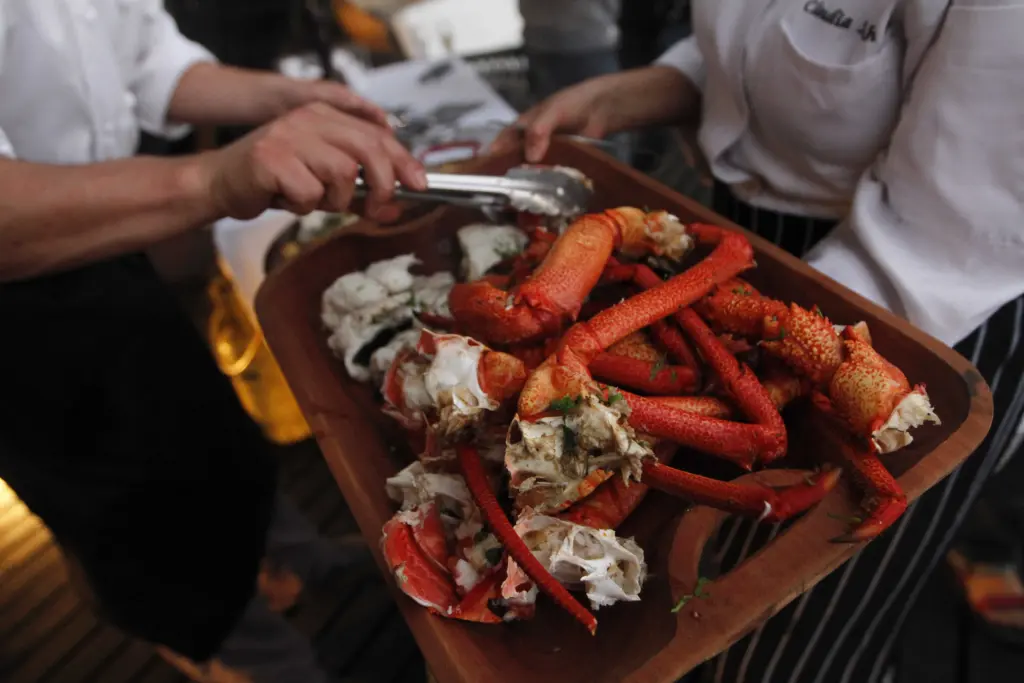
The Lobster of Juan Fernández
The cold, isolated waters of the Juan Fernández archipelago create a unique habitat for lobsters, whose flavor and texture are linked to the cleanliness and productivity of this marine ecosystem. Fishing is regulated by specific measures (closed seasons, minimum size, and use of traps) to protect the resource and ensure its sustainability: these practices are part of why Juan Fernández lobster is prized and controlled.
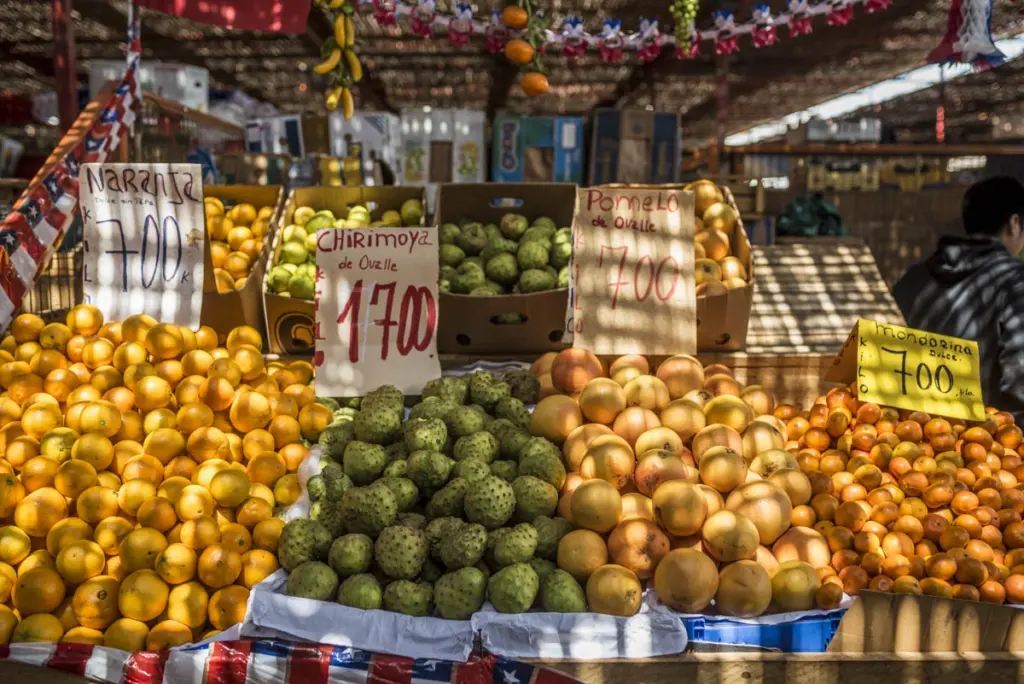
The Chirimoya and the coastal valleys
In the temperate valleys of the central and coastal regions, deep soils and moderate temperatures favor the cultivation of cherimoya, a fruit with creamy pulp and a floral aroma that has traditionally been part of local horticulture. The area under cultivation has varied over the decades, but the cherimoya remains an example of how coastal microclimates generate high-quality products with deep regional roots, both for domestic consumption and for niche export markets.
The "typical Chilean" products we explore here are, in fact, the way geography speaks: each valley, coast, and mountain range leaves its mark on a flavor, a technique, and a story. From Elqui pisco to Magallanes lamb, from Mapuche merkén to Central Valley carménère and island lobster, each bite connects landscape, community, and tradition.
Caring for them means preserving the diversity that defines us, and enjoying them is a way of reading the map of Chile with our palates.